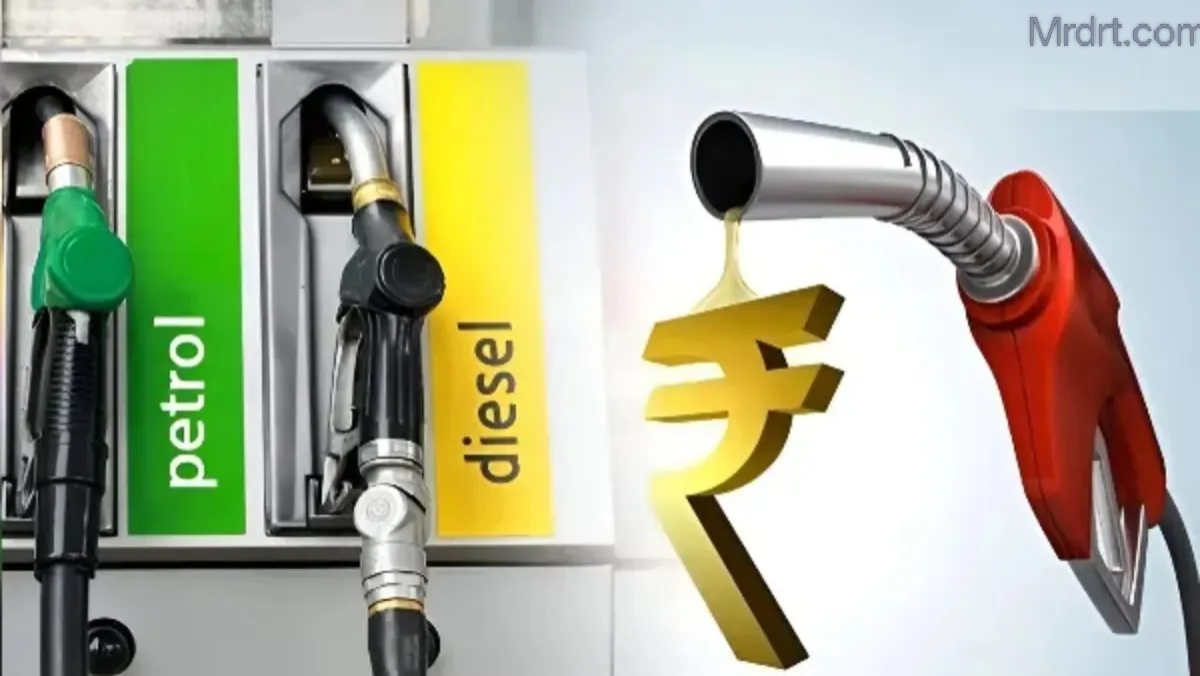
State-run oil marketing companies in India have raised premium petrol prices by up to ₹2.35 per litre, effective March 20, 2026. The hike comes amid a surge in global crude oil prices driven by the ongoing Middle East conflict involving Iran and the Israel-US alliance.
State-owned oil marketing companies in India have increased the prices of premium petrol variants, including BPCL Speed, HPCL Power, and IOCL XP95, by ₹2.09 to ₹2.35 per litre. The exact hike varies depending on the brand and city.
Premium Petrol Prices Hiked by Up to ₹2.35 Per Litre
The revised fuel prices have been implemented across major Indian cities, while the rates of regular petrol and diesel remain unchanged at government-run fuel stations. In Bengaluru, premium petrol prices have now crossed the ₹112 per litre mark following the latest increase.
Despite rising global crude oil prices, public-sector oil companies have limited the price hike to premium fuel segments. However, private fuel retailer Shell has increased the prices of both petrol and diesel by ₹2 per litre, citing ongoing geopolitical tensions in the Middle East.
International crude oil prices have surged beyond $100 per barrel amid escalating conflict in the region. Concerns over supply disruptions and threats to critical shipping routes like the Strait of Hormuz have significantly impacted global energy markets, leading to higher fuel prices worldwide.
Global Crude Oil Prices Cross $100 Per Barrel
Global crude oil prices have crossed the $100 per barrel mark due to rising geopolitical tensions in the Middle East. Concerns over supply disruptions and threats to key shipping routes, especially the Strait of Hormuz, have driven up energy prices across global markets.
This surge in international oil prices has directly impacted domestic fuel rates in India. As the country relies heavily on crude oil imports, fluctuations in global markets significantly influence local fuel pricing.
The latest price hike mainly affects premium petrol variants, which are commonly used in high-performance and high-compression engines. Meanwhile, regular petrol and diesel prices remain unchanged at
government-operated fuel stations for now.
This marks the first major increase in premium petrol prices in India in recent years, after a long period of relative stability. The hike reflects ongoing volatility in global energy markets, largely driven by geopolitical developments in West Asia.
If tensions in the Middle East persist, there is a growing possibility that prices of regular petrol and diesel could also see an upward revision in the near future.
The increase in premium petrol prices highlights how closely India’s fuel market is linked to international crude oil trends. Since India imports a large portion of its crude oil requirements, any fluctuations in global prices directly influence domestic fuel costs. Even a small increase in global oil prices can lead to noticeable changes at the retail level over time.
Despite the current hike in premium fuel prices, regular petrol and diesel rates have remained unchanged at government-operated fuel stations. This move suggests that oil companies are attempting to balance the burden on common consumers while adjusting prices in segments that cater to a relatively smaller group of users.
However, private fuel retailers have already started responding differently to the global price surge.
Some companies have increased the prices of regular petrol and diesel, citing higher procurement costs and uncertainties in the global oil supply chain. This indicates that if global crude oil prices continue to rise, broader fuel price revisions may become unavoidable in the near future.
This recent revision also marks one of the first significant increases in premium petrol prices in India after a long period of relative stability. For the past few years, fuel prices had remained largely steady despite minor fluctuations in the global oil market. The current situation, however, reflects a shift caused by sustained geopolitical instability and rising demand pressures.