With rising fuel prices and increasing environmental awareness, many people are now considering electric cars instead of petrol cars. In 2026, Electric Vehicles (EVs) are becoming more popular due to their lower running costs and eco-friendly technology.
1. Purchase Price
Electric cars usually have a higher initial price compared to petrol cars because of their advanced battery technology.
- Petrol Car
₹6 – ₹12 Lakhs - Electric Car
₹10 – ₹18 Lakhs
However, government incentives and subsidies are helping reduce the cost of electric vehicles.
2. Fuel vs Charging Cost
One of the biggest differences between these two types of vehicles is the running cost
Petrol Car
- Average petrol price: ₹100 per litre
- Average mileage: 15–18 km per litre
Driving 100 km may cost around ₹550 – ₹650.
Electric Car
- Electricity cost: around ₹8 – ₹10 per unit
- Average EV range: 6–7 km per unit
Driving 100 km may cost around ₹120 – ₹150.
3. Maintenance Cost
Electric vehicles have fewer moving parts, which means less maintenance.
Petrol Cars Maintenance
- Engine oil changes
- Gearbox maintenance
- Exhaust system repairs
- Fuel filter replacement
Electric Cars Maintenance
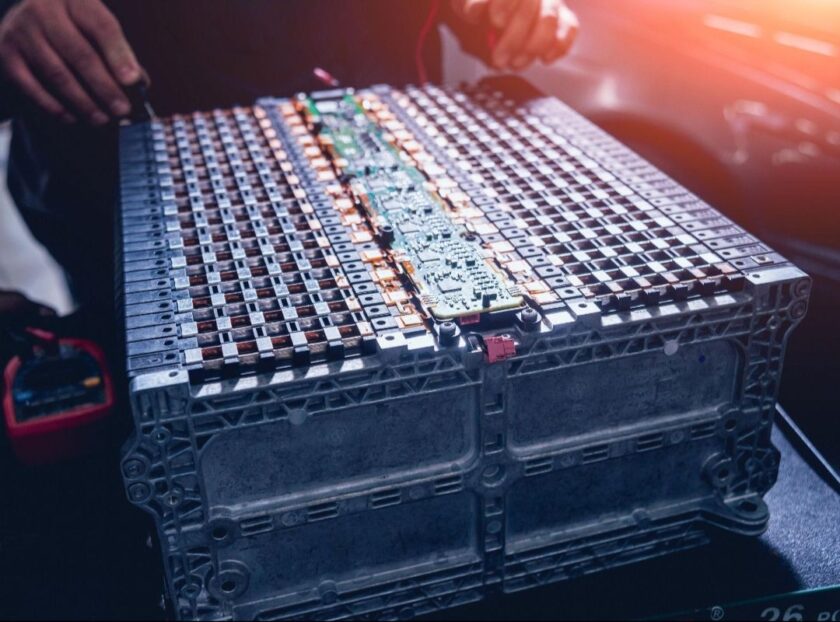
- Battery check
- Brake inspection
- Software updates
EV maintenance cost can be 30–40% lower than petrol vehicles.
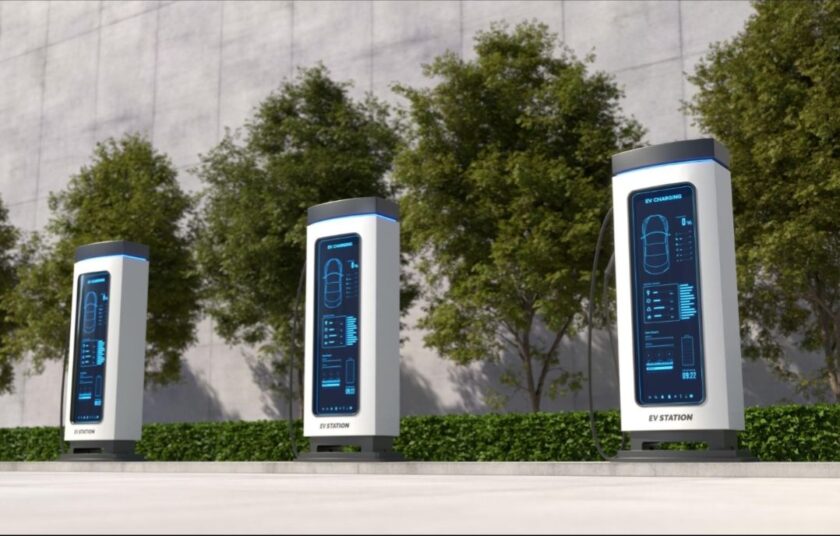
4. Environmental Impact
Electric cars produce zero tailpipe emissions, making them environmentally friendly.
- Carbon dioxide (CO₂)
- Nitrogen oxides
- Air pollutants
Switching to EVs helps reduce air pollution and carbon footprint.
5. Long-Term Savings
If you drive 15,000 km per year, the difference becomes significant.
- Petrol Car
₹80,000 – ₹1,00,000 - Electric Car
₹20,000 – ₹30,000
Over 5 years, electric cars can save ₹3–4 lakhs in fuel costs.
6. Charging vs Refueling Convenience
Petrol cars can be refueled in minutes at fuel stations. Electric cars require charging time, which may take:
- Fast charger: 30–60 minutes
- Home charger: 6–8 hours
However, EV Charging infrastructure is rapidly improving across many cities.
Conclusion
In 2026, Electric cars are more cost-effective in the long run due to lower running and maintenance costs. While petrol cars still have advantages like lower purchase price and faster refueling, electric vehicles are becoming the future of transportation.
If you want to save money on fuel and reduce pollution, an electric car is a smart investment.